GREEN CITY LIVE WORK HUB
In Port Elizabeth Eastern cape
PROPOSED SITE FOR A NEW DEVELOPMENT GREEN CITY LIVE WORK HUB
SITE LOCATION AND BACKGROUND HISTORY
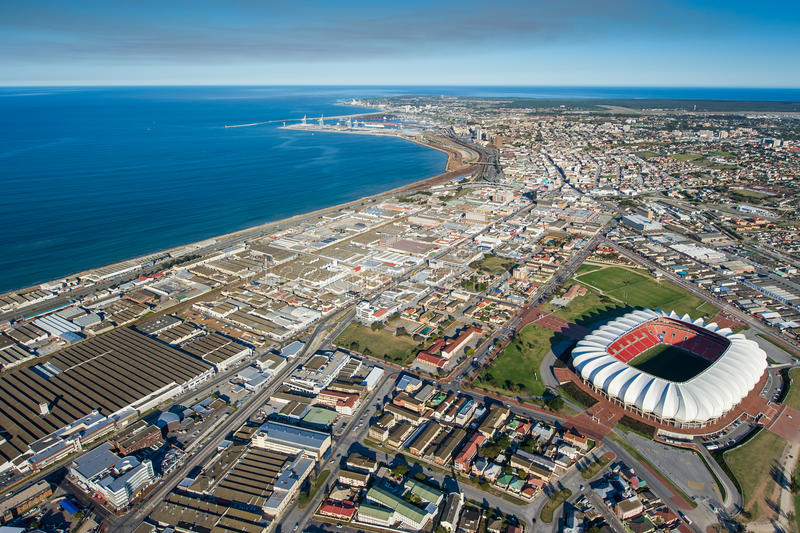
Port Elizabeth is the city situated in the Eastern Cape, South Africa. Port Elizabeth was founded in the 1820 as a British Settlement. It was founded by the cape colony government, who brought 4 000 British colonists for peace making. Port Elizabeth was named by the cape colonist acting governor Sir Rafube Shaw Donkin in memory of his late wife, Elizabeth
Port Elizabeth covers 251 square kilometers of the Nelson Mandela Bay metropolitan area.
It ranks among top cities in the world for its pleasant warm oceanic climate, that maintained
through out the year.
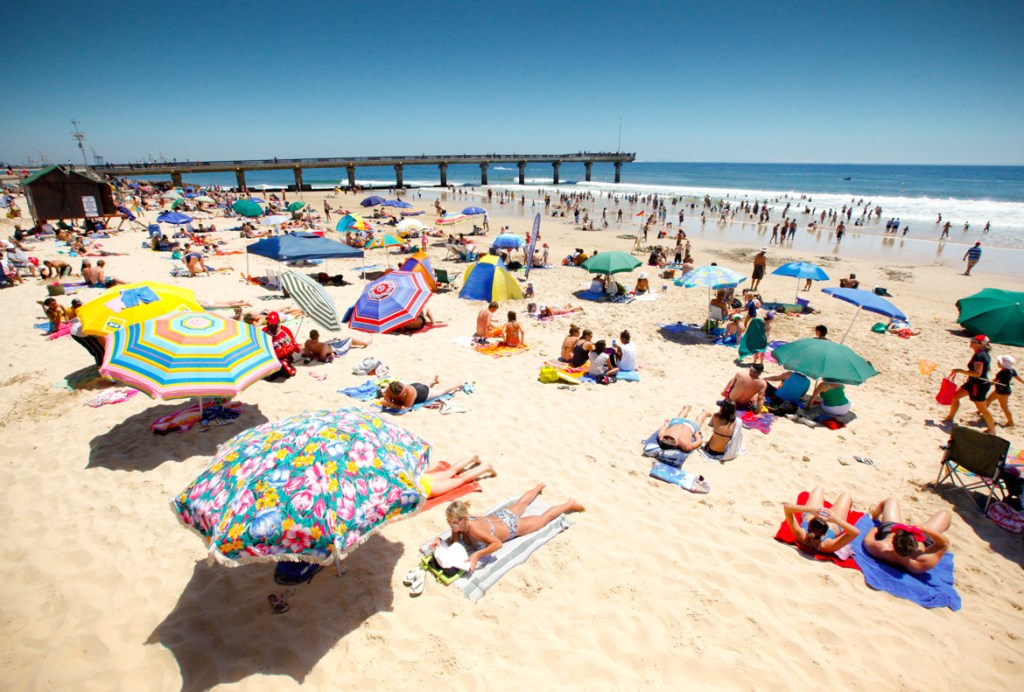
The city is controlled by its vast municipality, Nelson Mandela Bay Metropolitan, and it is the
second-largest metropolitan district by size in south Africa. Located on the western part of
Algoa Bay, the city is facing the Indian ocean along south Eastern coast of south Africa.
With its rich history, port Elizabeth is a center for culture, economy, and financial city
for eastern cape Province. The city holds historical cores like garden route, popular swimming
beaches like Kings beach and hobie beach, donkin heritage trail.
SITE ANALYSIS AND URBAN CONTEXT
It is a very tight, rocky and sloppy site at the corner Russells road and Govern Mbeki street. It is a narrow rectangular shaped with an existing structure, that will be demolished when designing a new development.
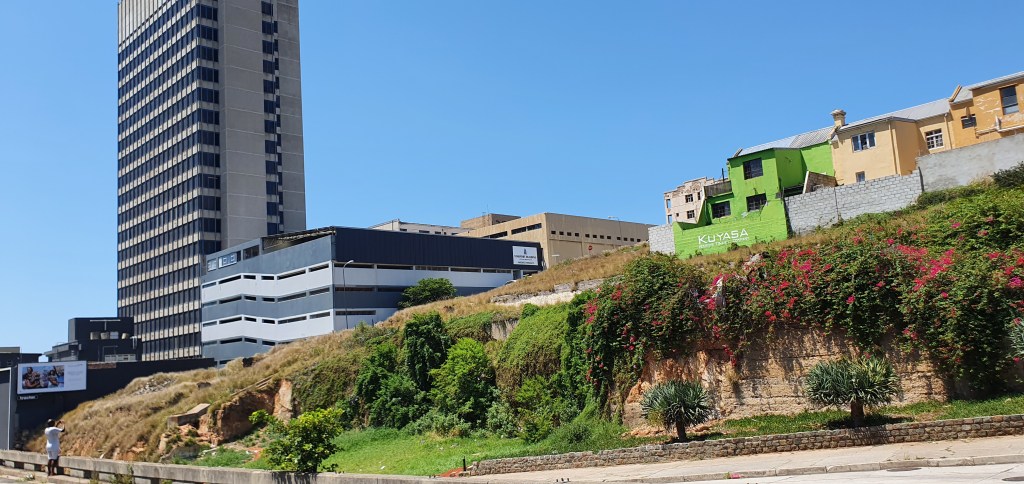
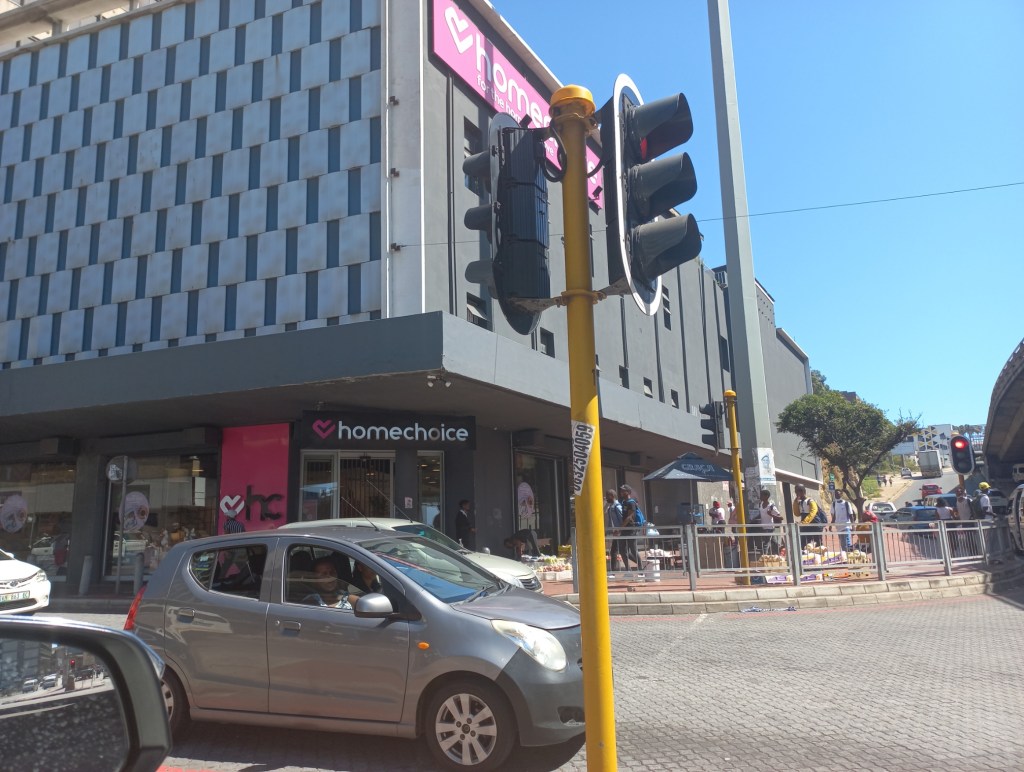
SITE ANALYSIS AND URBAN CONTEXT
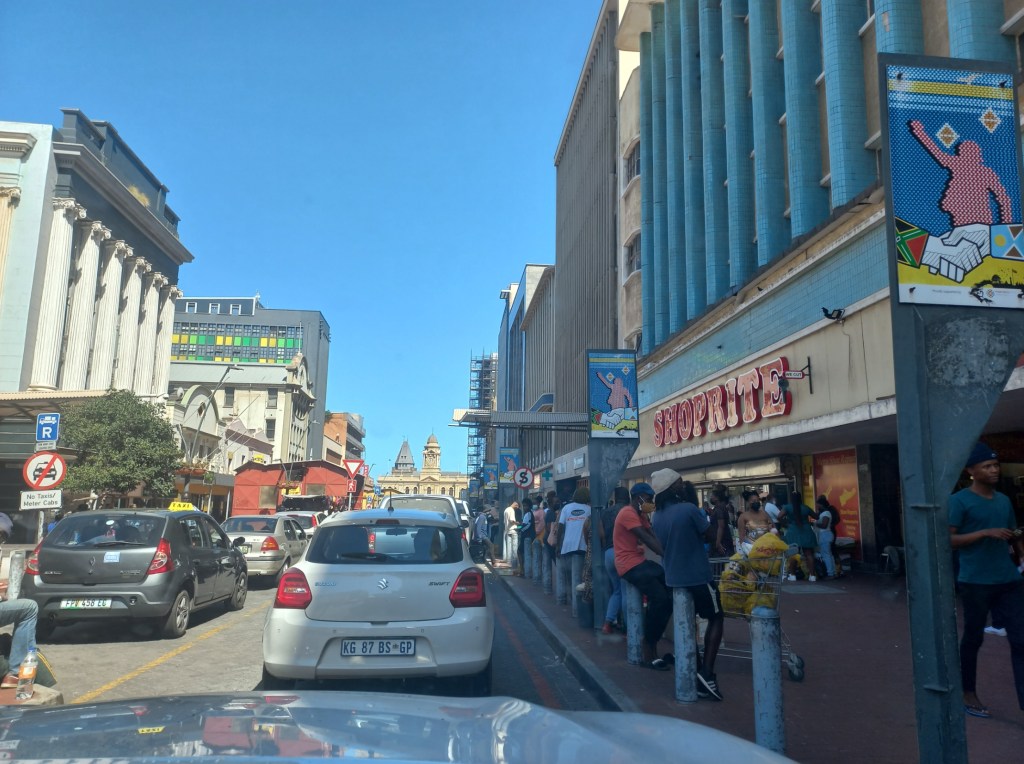
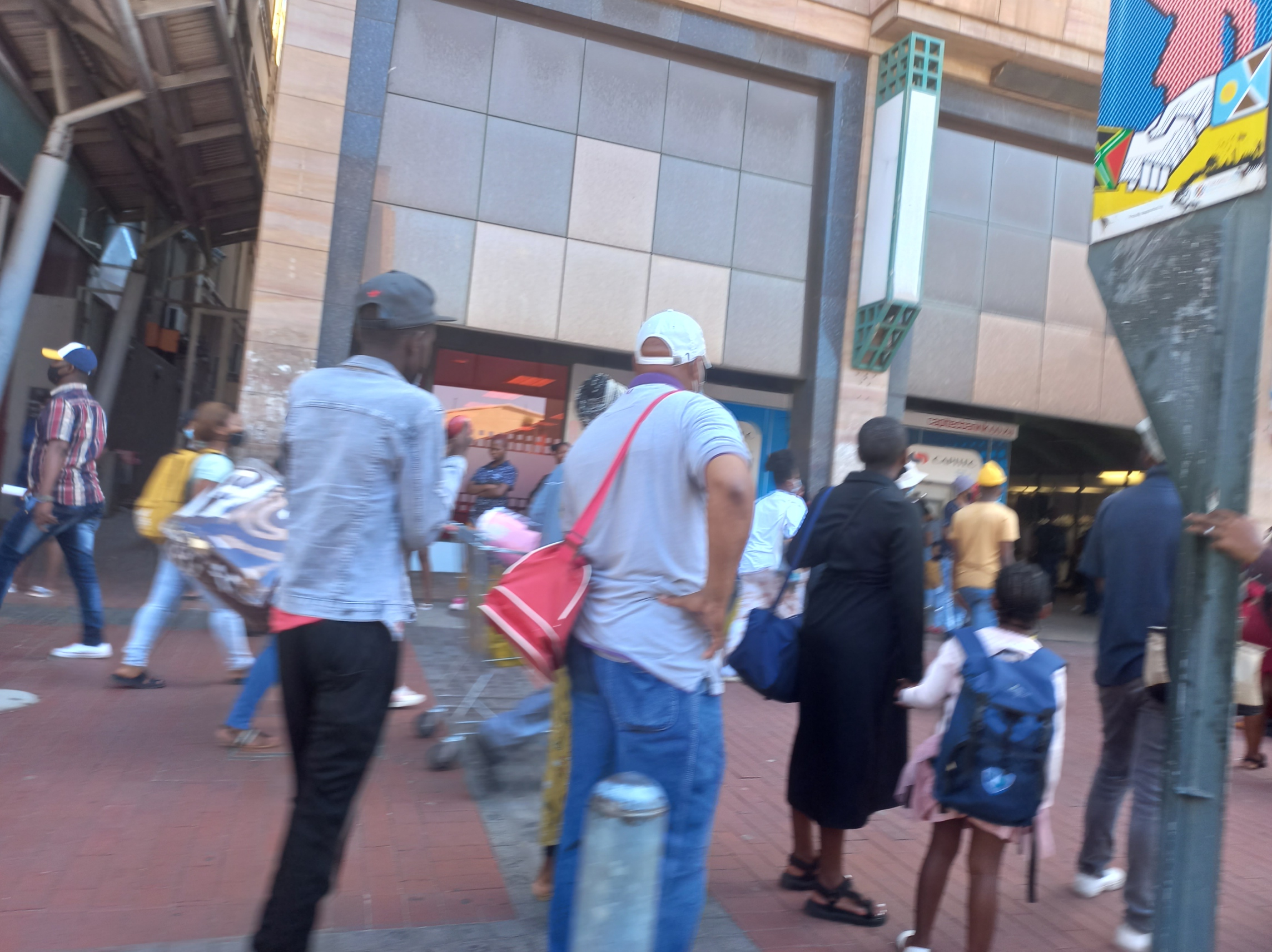
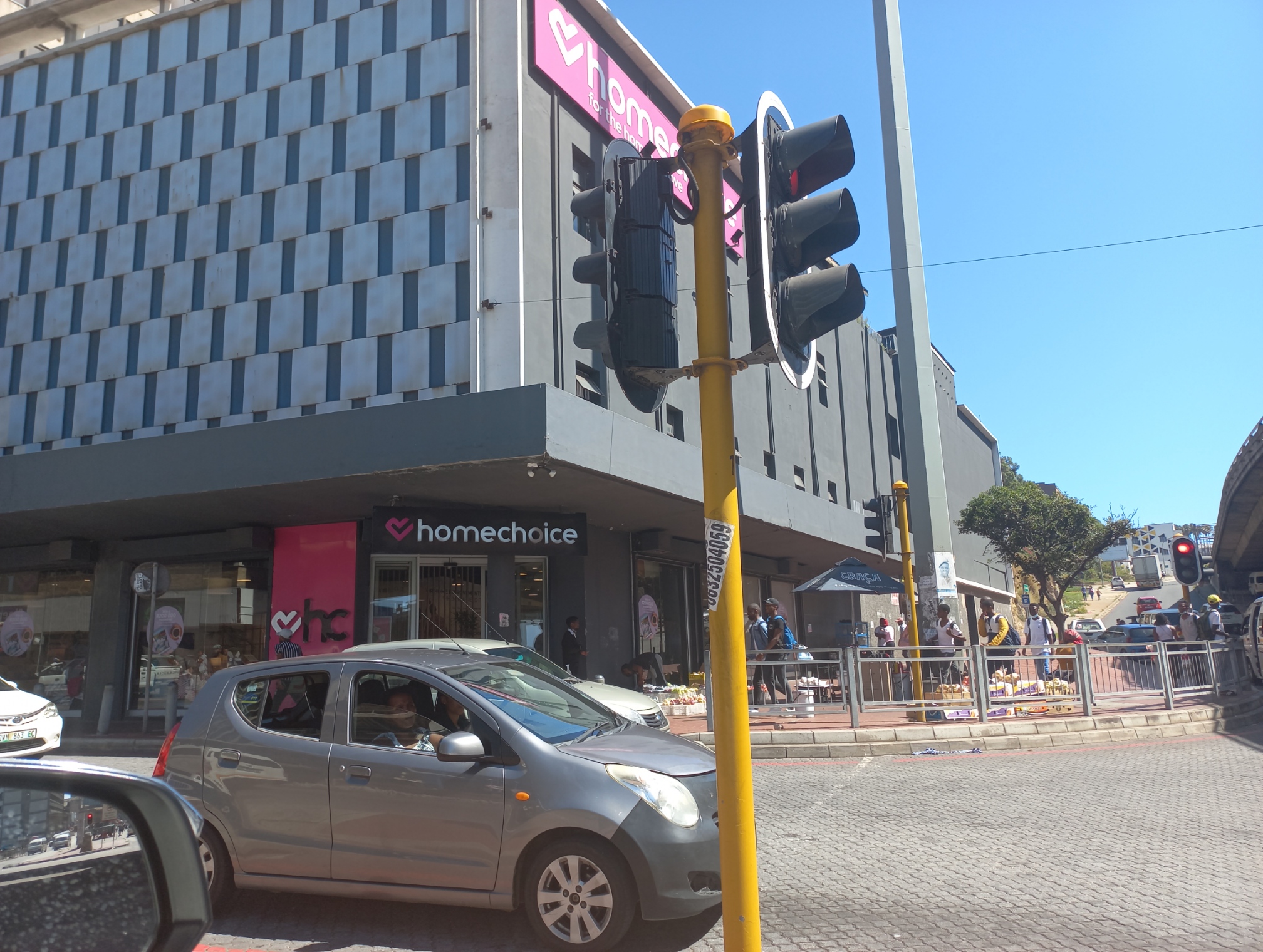
PEDESTRIAN AND VEHICULAR MOVEMENT ON GOVAN MBEKI STREET
Govan Mbeki, the main pedestrian street is the most congested street, traffic flows along the street toward
taxi rank. Pedestrian traffic is caused mainly by the type of street the Govan mbeki is. Most retail shops,
banks and public offices and private sector offices are along the street.
In terms of safety, Pedestrian barriers,roads signs are well defined. There is enough space for people to walk on
side walks which are also paved. Pedestrian traffic differs hourly, in the morning hours there is more people on the streets whereby majority is going to work. on mid-hours traffic reduces, but on afternoon hours traffic again increases
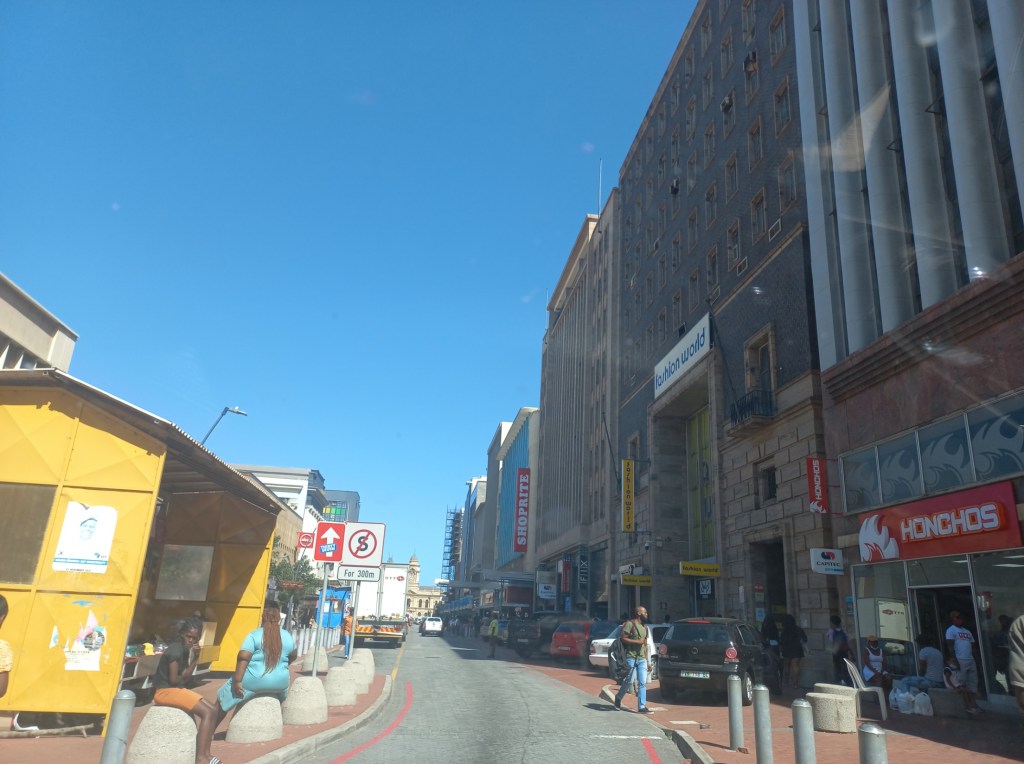
In terms of safety, Pedestrian barriers, roads signs are well defined. There is enough space for people to walk onside walks which are also paved. Pedestrian traffic differs hourly, in the morning hours there is more people
on the streets whereby majority is going to work. on mid-hours traffic reduces, but on afternoon hours traffic again increases
YEBO MIXED-USE COMPLEX
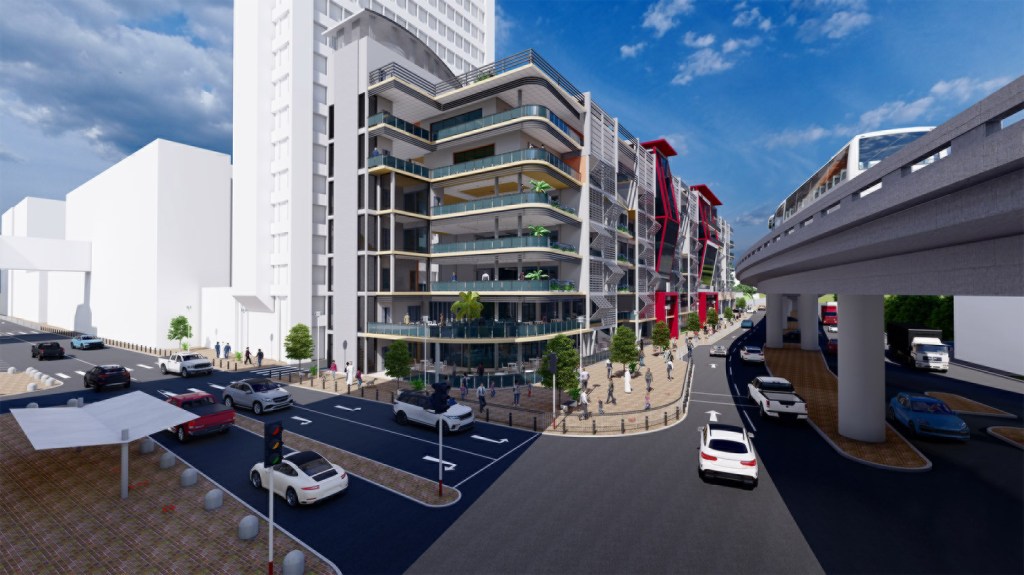
Project Scope and design brief
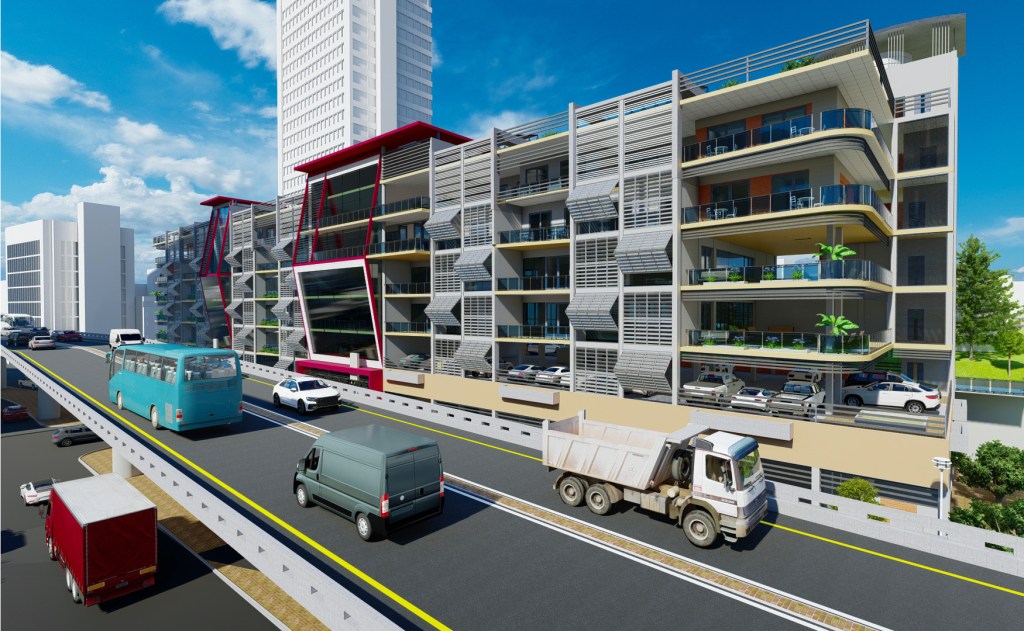
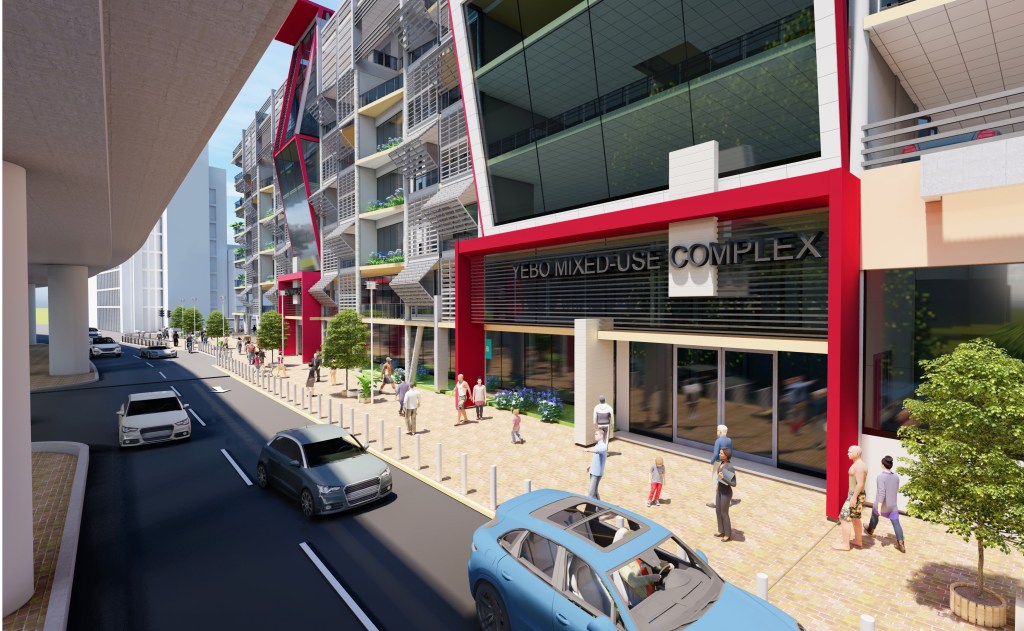
The complex is a seven story high building with fast food, clothing outlets and a supermarket outlet as an anchor tenant, and also other supporting facilities on the ground floor. The structure has a mezzanine floor comprising of a cocktail cafe, banking facilities and clothing outlets. there is a central core for vertical movement with fire escapes stairs designed as per building regulations standard.
First floor, second floor and third floor spaces are designed for office use with the we work style in some areas. Spaces have access to balconies, which most of them are open to sea and harbour view, highway view and railway. The last two floors contain residential apartments with single bed apartments on fourth level. The floor also has a accessible gymnasium used only by the tenants, which is not open to the public. Fifth floor has Double Bed Apartments with an outdoor green park.
The structure Adheres to sustainable design principles, as it generates its own power/energy through photovoltaic solar panel situated on the roof top with the clear access of harnessing the solar energy. The development has full height glassing behind steel and aluminum louvers (inspired by strip of apartments project) which enable regulated light intensity into the building.
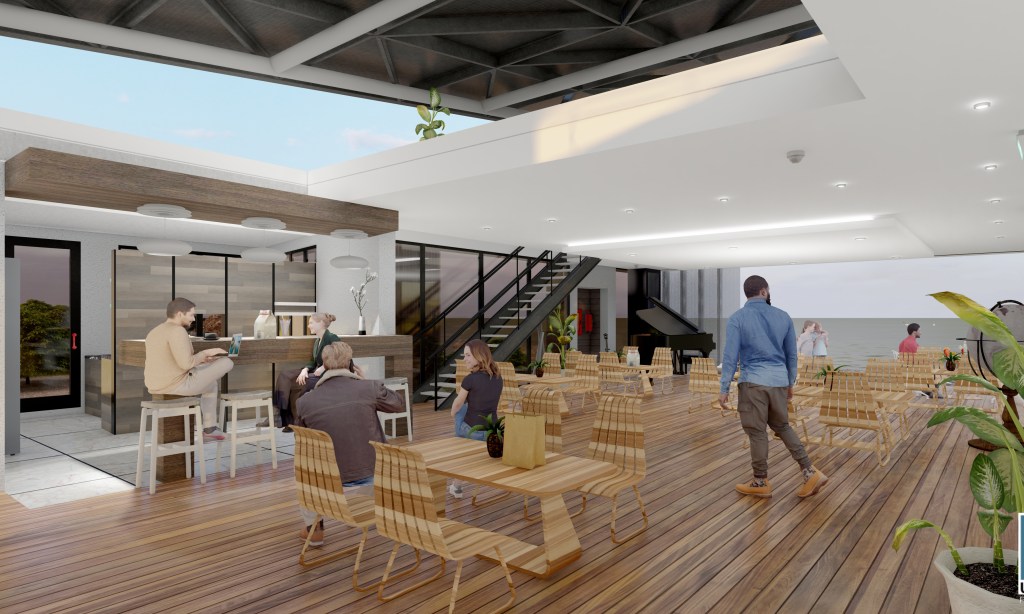
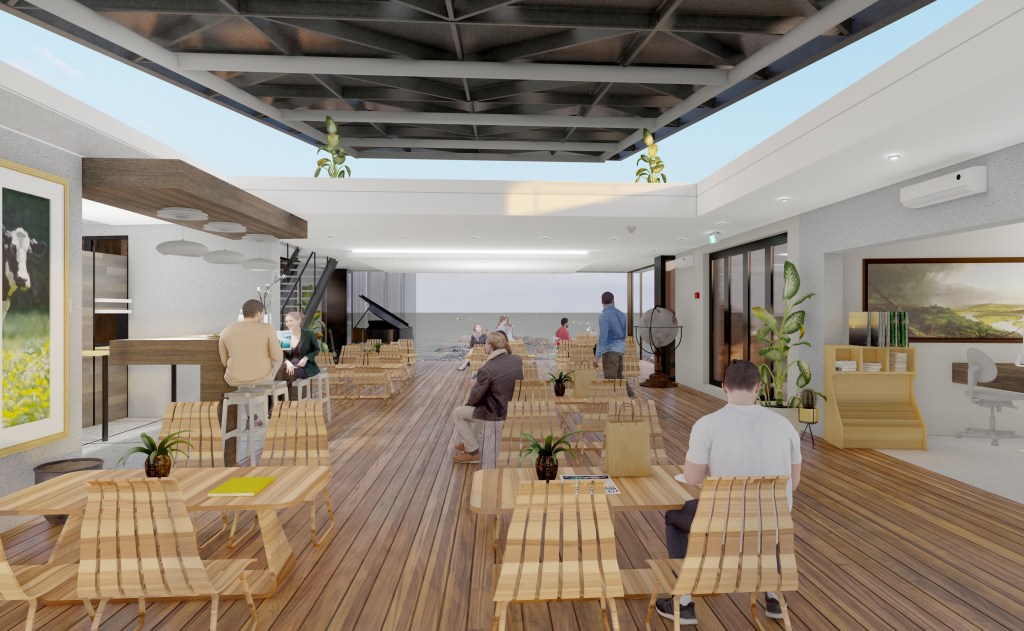
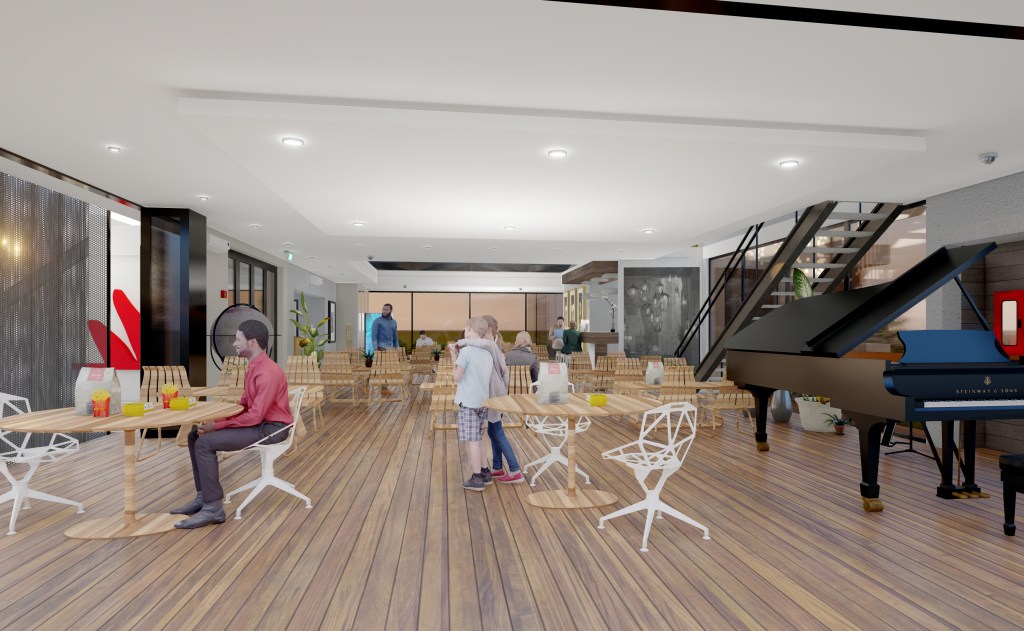
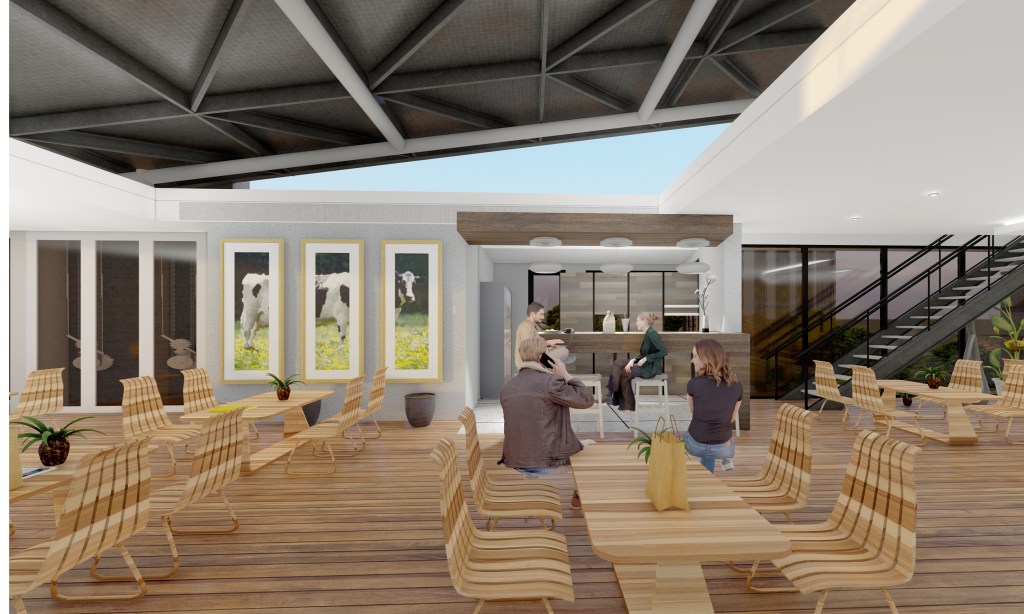
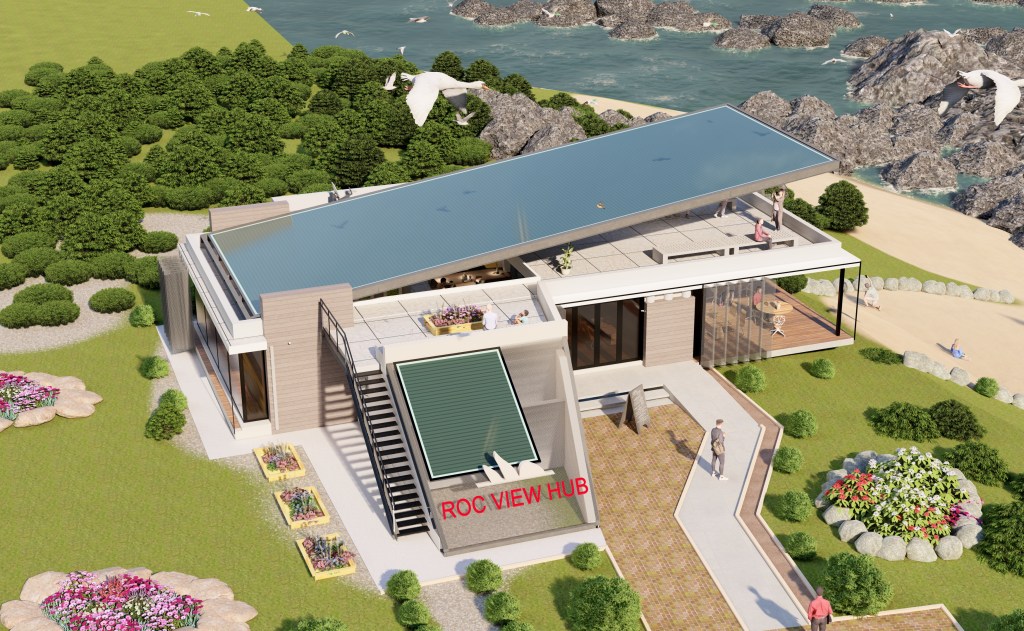
PAVILION (Information Centre),
Possibility of Kinetic Elements
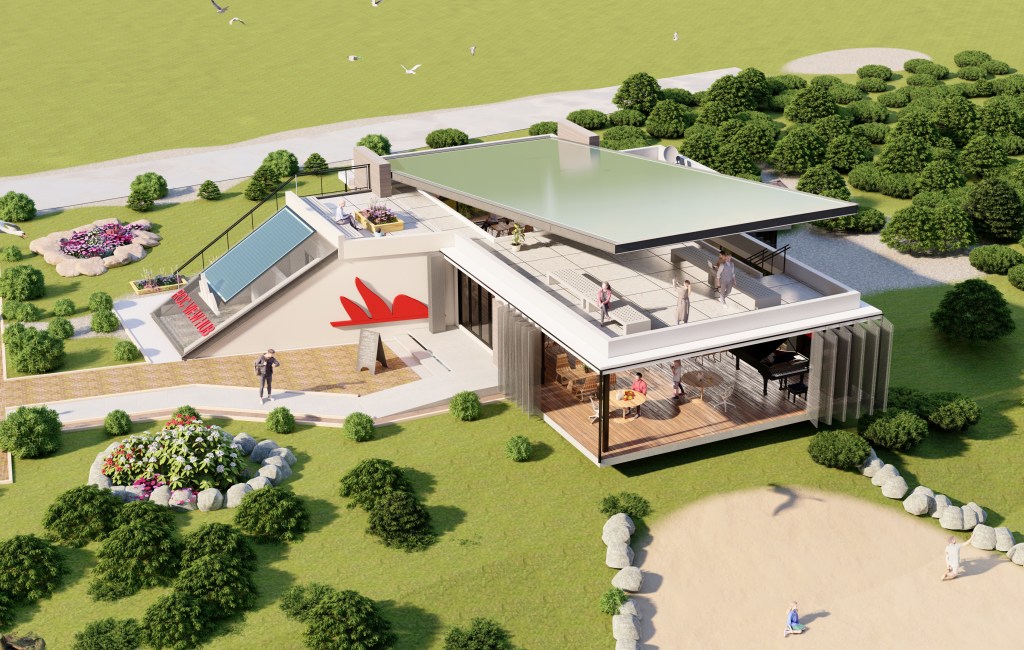
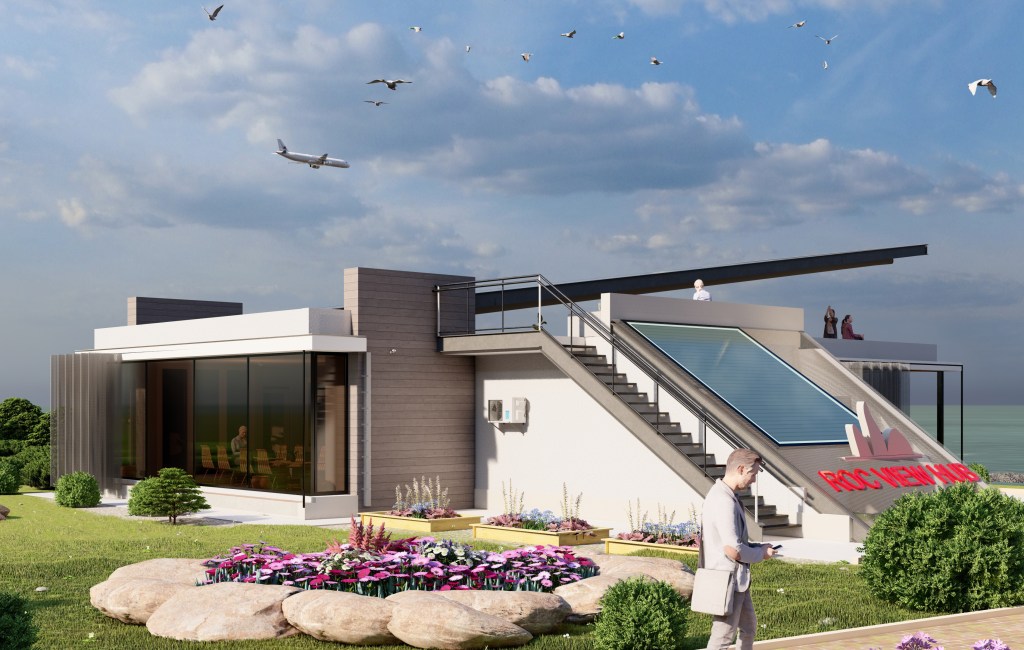
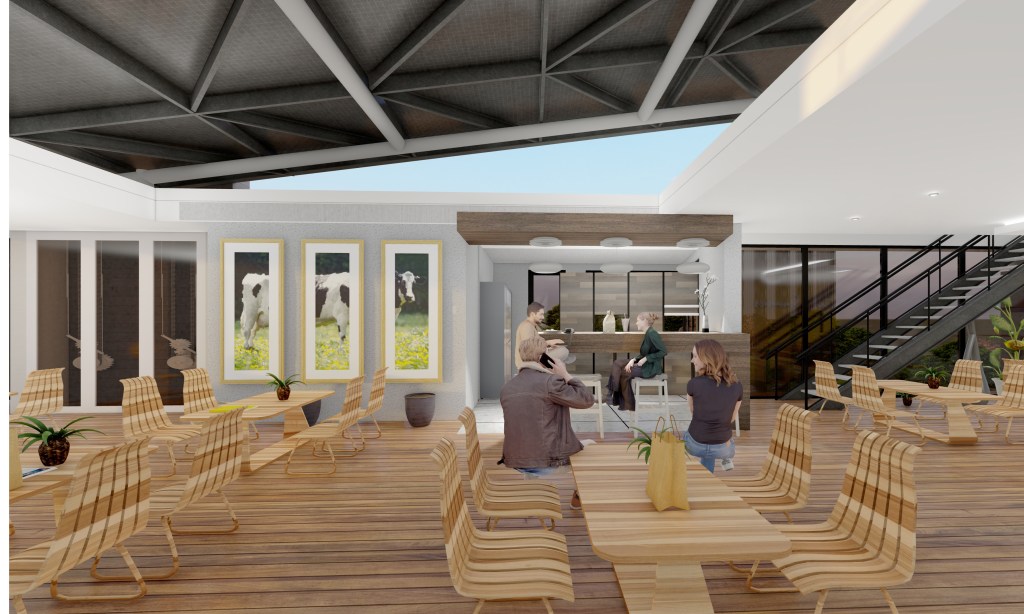
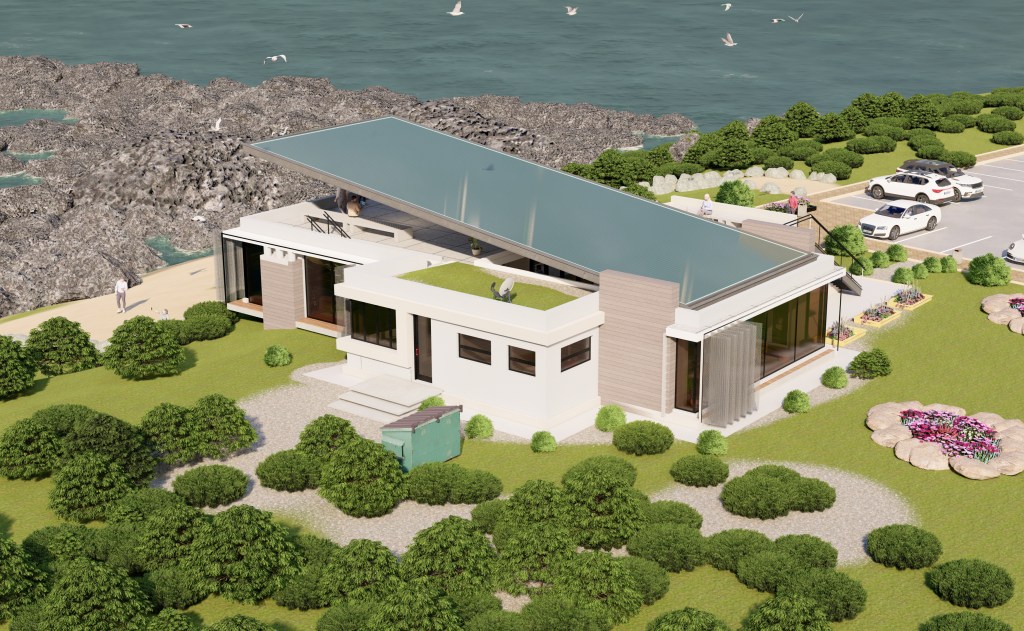
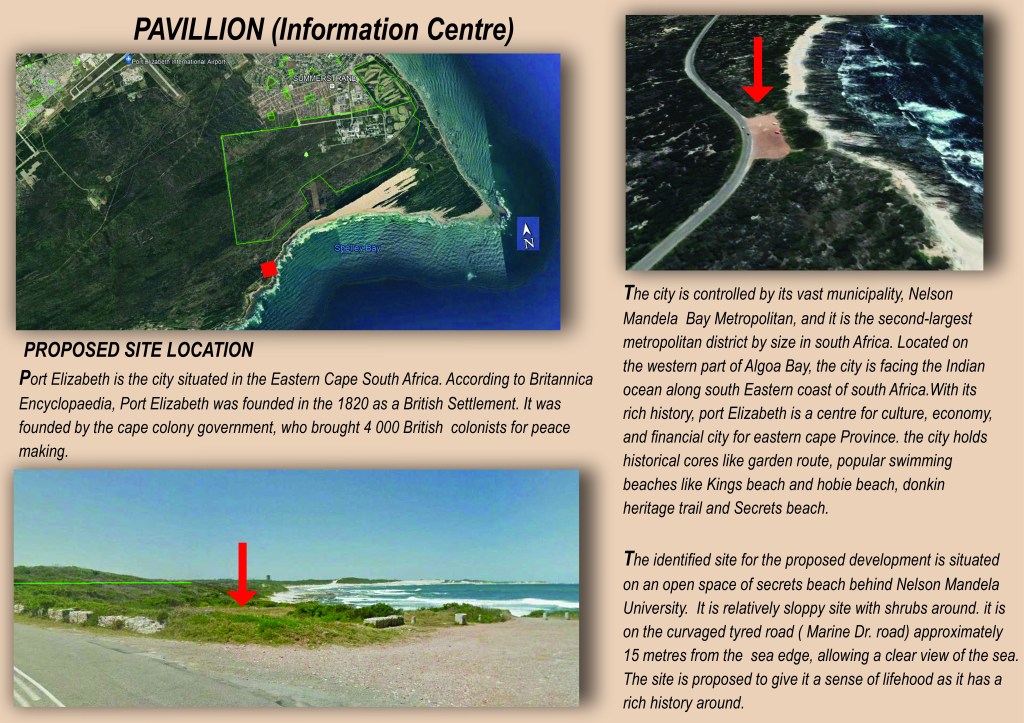
The project is situated on coastline of Secrets Beach, behind Nelson Mandela University. Its design purpose is to provide information about Nature around, Oceanic tides and minerals and also act as pause area along Marina long drive.
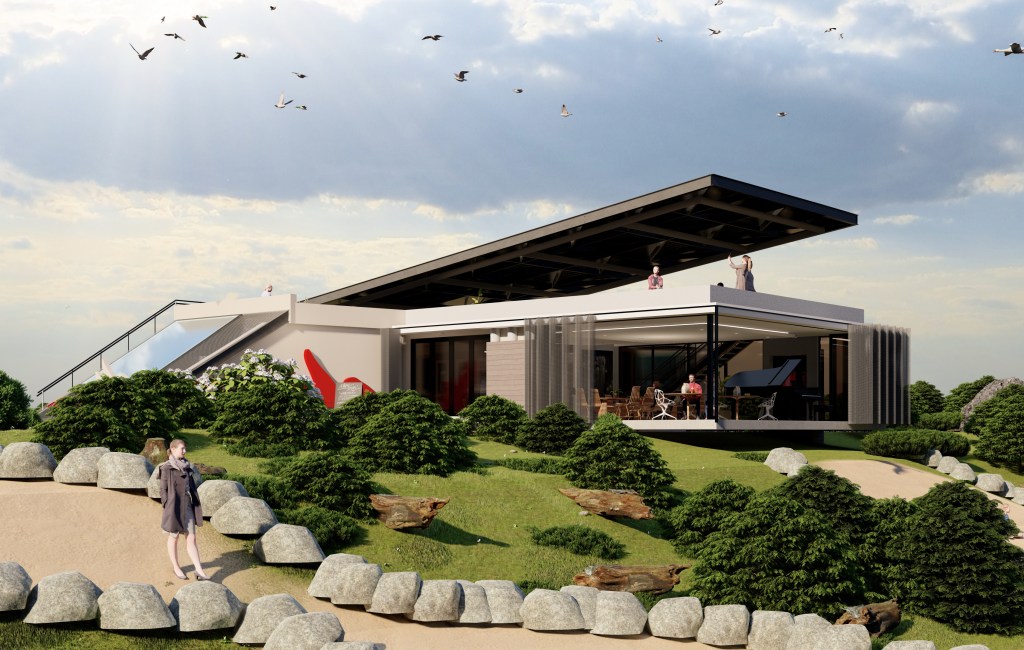
SUSTAINABILITY
The long-span open and close structural steel roof has a full sized photovoltaic solar panel mounted
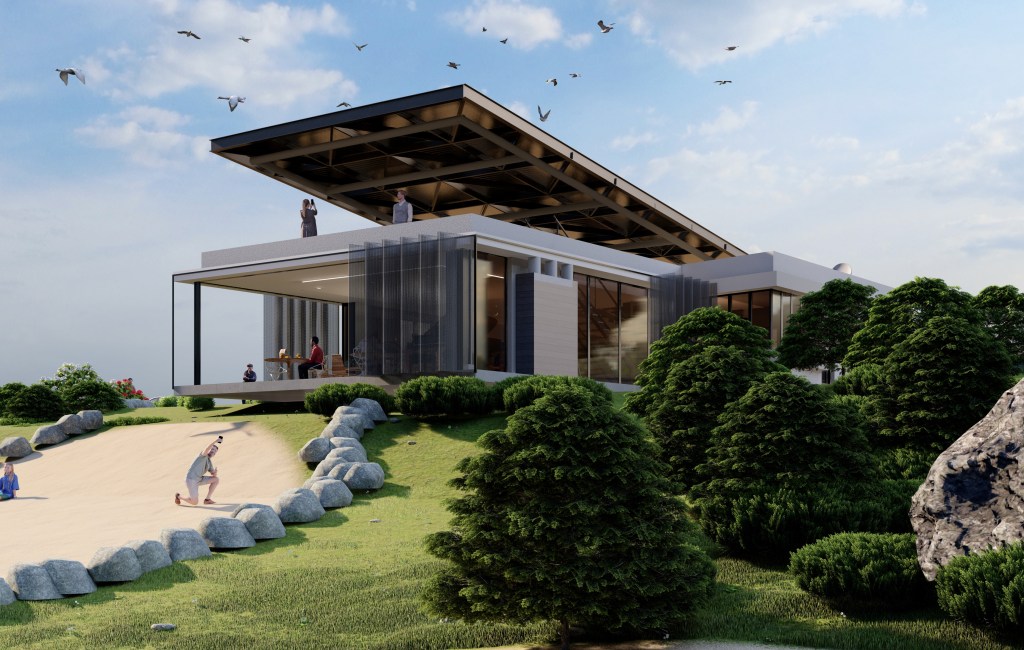
on it to generate the solar energy that will be stored to be used for operational activities and elements of the building. the roof can be opened during days activities where people have access to roof top via internal steel cases and also closes in after hours.
Steel Stack folding shading devices are also powered by energy harnessed from the solar panels where they move to close and open. The building can be fully open to have a sea view and also be fully closed after hours.
Pavilion Gallery
HATFIELD SQUARE STUDENT ACCOMMODATION
HATFIELD SQUARE PRETORIA
The task was to compile a research about South African green building award-winners amongst them selecting one project to focus on. Hatfield Square student accommodation was designed by Architecture and interior architecture practice Paragon Architects.
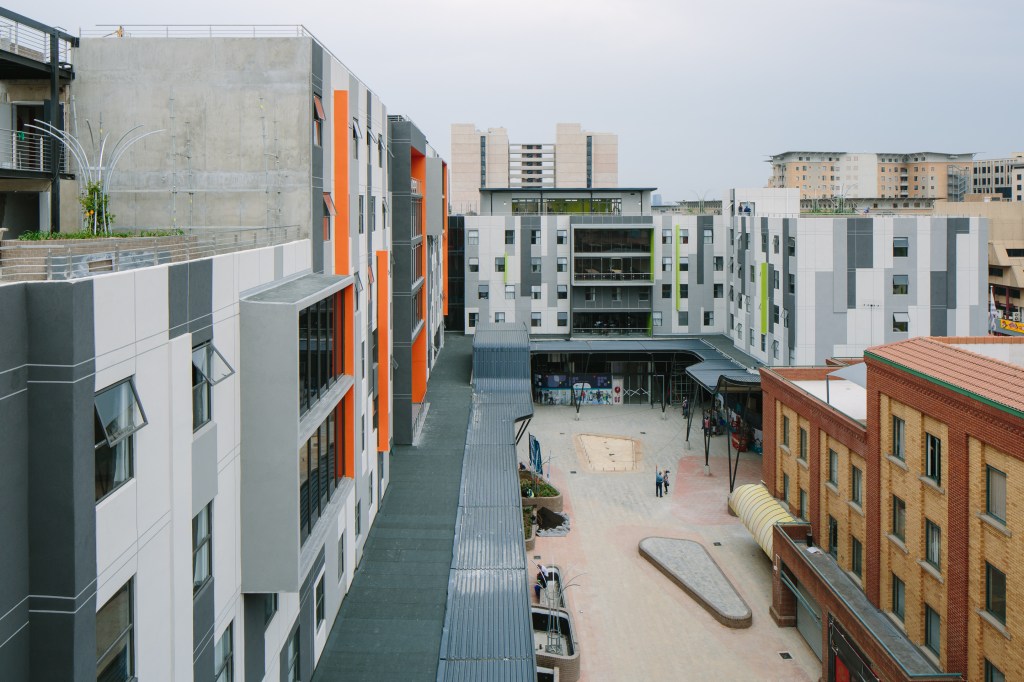
The sustainable mixed use development was designed around the concept of a village with consideration given to all aspect of student life.
Facility has been blocked into four blocks. Block A facing Burnert street, block B and C in the middle and block D facing Prospect street and this particular building is regarded as the highest building around the area. The four blocks of the development have been designed in a way that
they interlink, allowing students to walk from one block to the other creating a village like and a sense of community interaction. Furthermore, the interaction of village like setup has been shown on
block A and D where two buildings are facing the streets and public pedestrians been given an opportunity to interact with student in
retail spaces
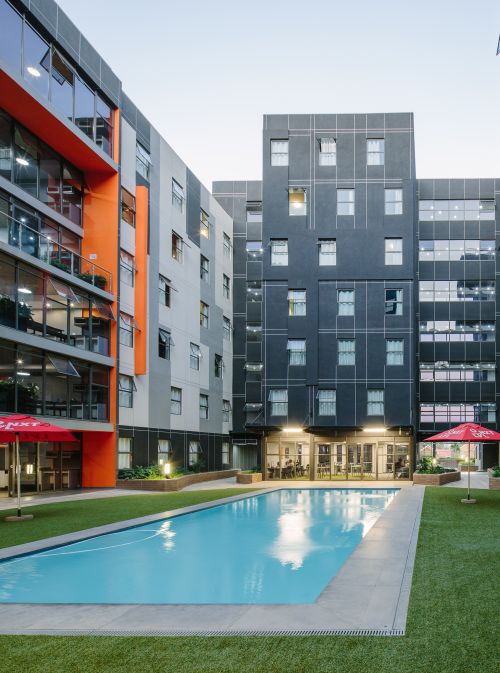
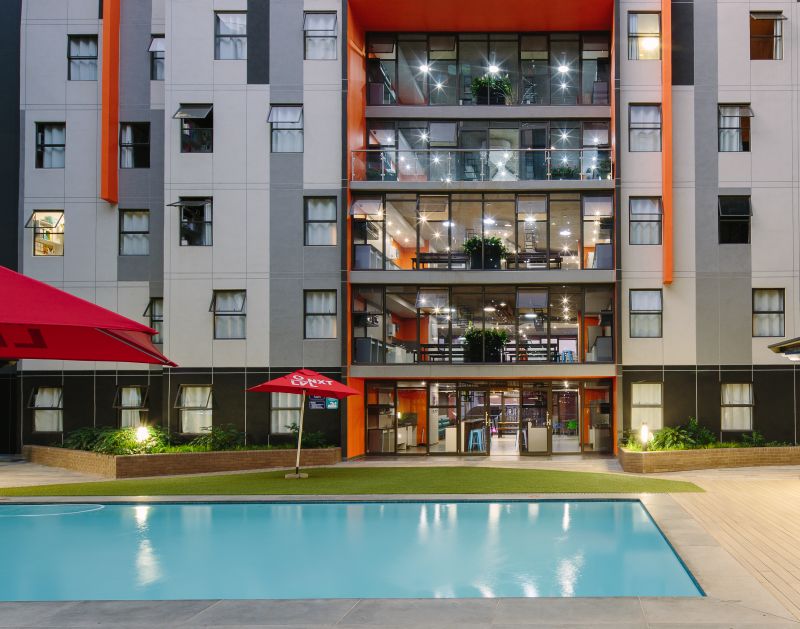
Facing burnet street and prospect street, the project has a total coverage area of 51,000 sqm with 2,200 bed accommodation excluding basement parking levels and 3,500 sqm retail space, including a mix of restaurants and line shop (Creamers media engineering news 2018) Antoinette kloppers, the senior Architectural technologist emphasized that the project has been designed to stand out from its surroundings by its functionality and typology. “The design not only ensures that each unit has maximum light access to the views and light but also has the added benefit of promoting individual communities with their own amenities and shared spaces within the larger scheme” kloppers emphasized.
Materials used on the some elements of project are of their unique kind, whereby some of these selected products have never been used before. Walls have been constructed by Auto-claved Aerated blocks using 220mm thick light weight improved thermal and acoustic insulation fire resistance blocks for external walls and 110mm thick fro internal walls. The normal sizes for AAC are 110mm thick by 250mm high by 600mm long, 150mm thick, 220mm high by 250mm high by 600mm long
SECOND SEMESTER PROJECTS
Rosebank, Johannesburg in South Africa
CIRCA GALLERY ( CASE STUDY)
The main project for the semester is the Jazz music institute which will be covered in all 4 modules. Although, the project is mainly for studio work 4 module, Construction and details also take part in technical aspect of the project. Therefore, we were task to do case study of the similar project.
Four projects were selected where one had to pick a single project to work on. Circa gallery looked interesting to work on, hence i chose it.
Designed by StudioMas Architects in 2009, Circa Gallery and trumpet mixed use are both located in Rosebank, Johannesburg in South Africa. The Precinct was designed as cultural gathering that gives visitors exposure of different types of art (Circa).
Circa Gallery looking into its functionality, it does not serve as only art gallery but as a city monumental Landmark.
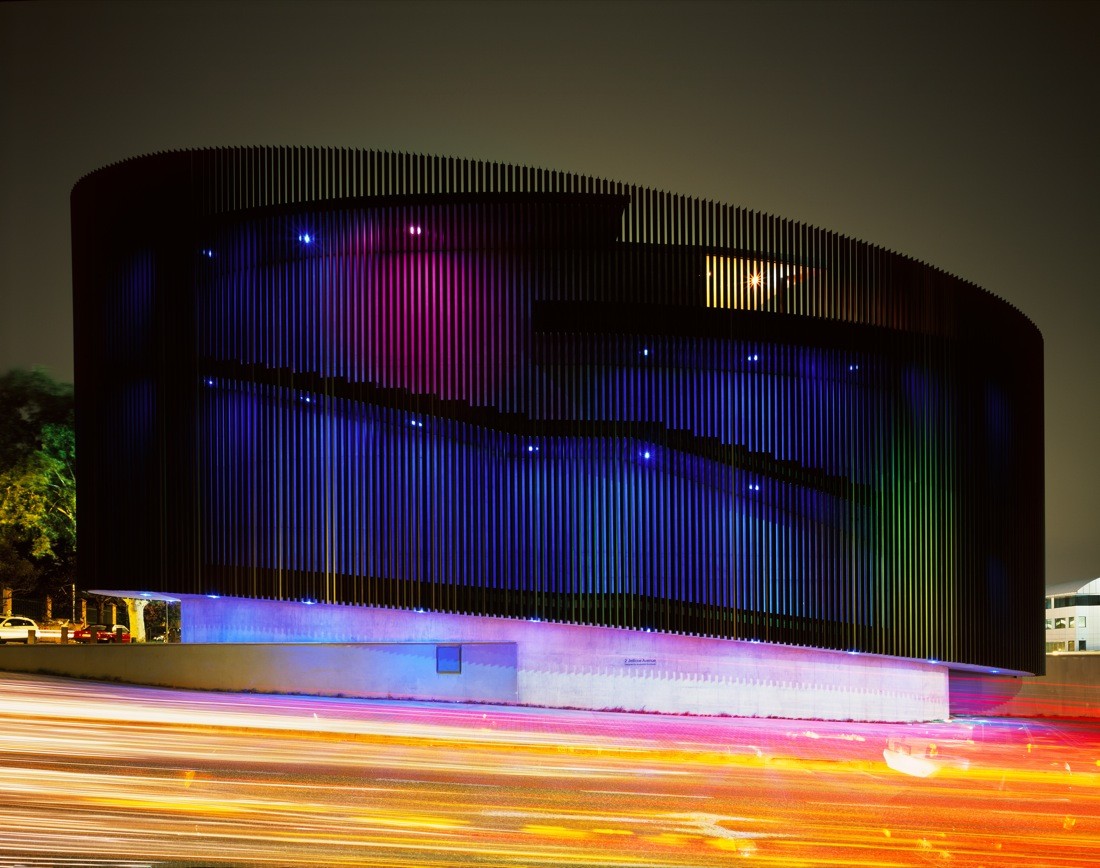
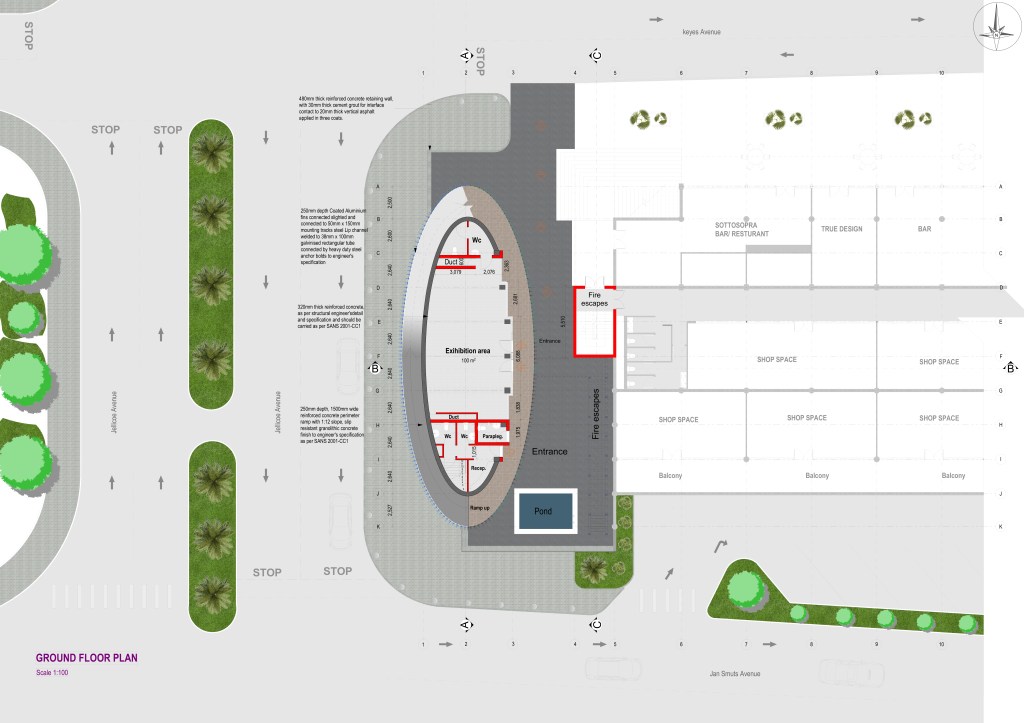
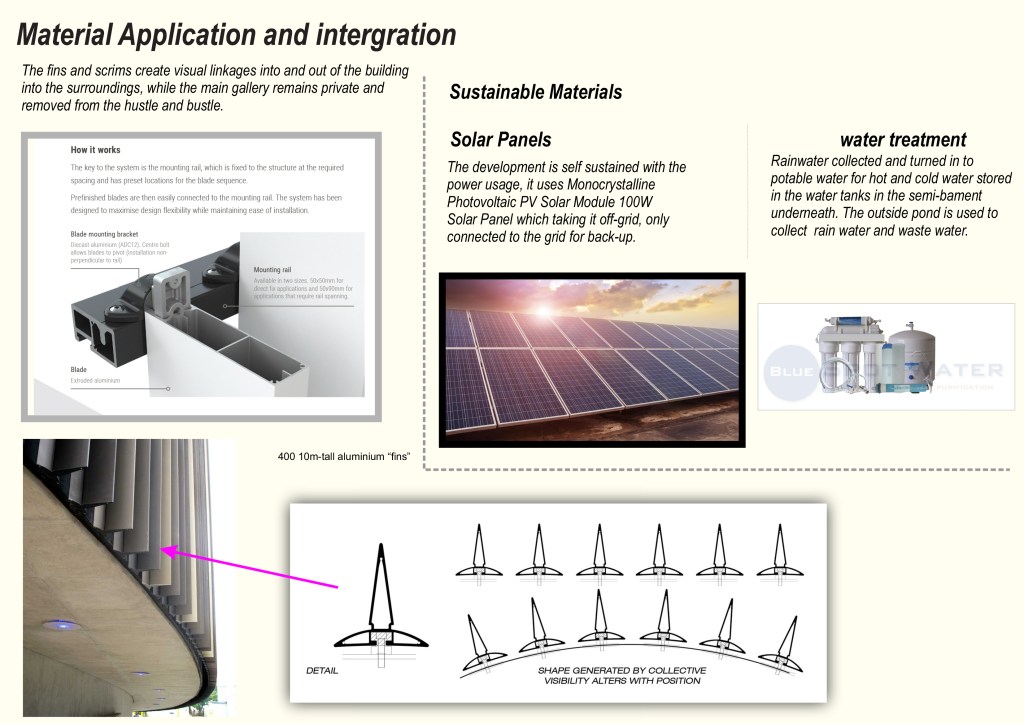
Having to study the project thoroughly, i learned sustainable principles that has been used in the project. The facility produces its own power to level of getting off from municipality grid. Harvesting rain water from the roof, stored in the out door pond, which is purified by the purifying system located in the basement, pumped back to the building for re-use.
JAZZ MUSIC INSTITUTE
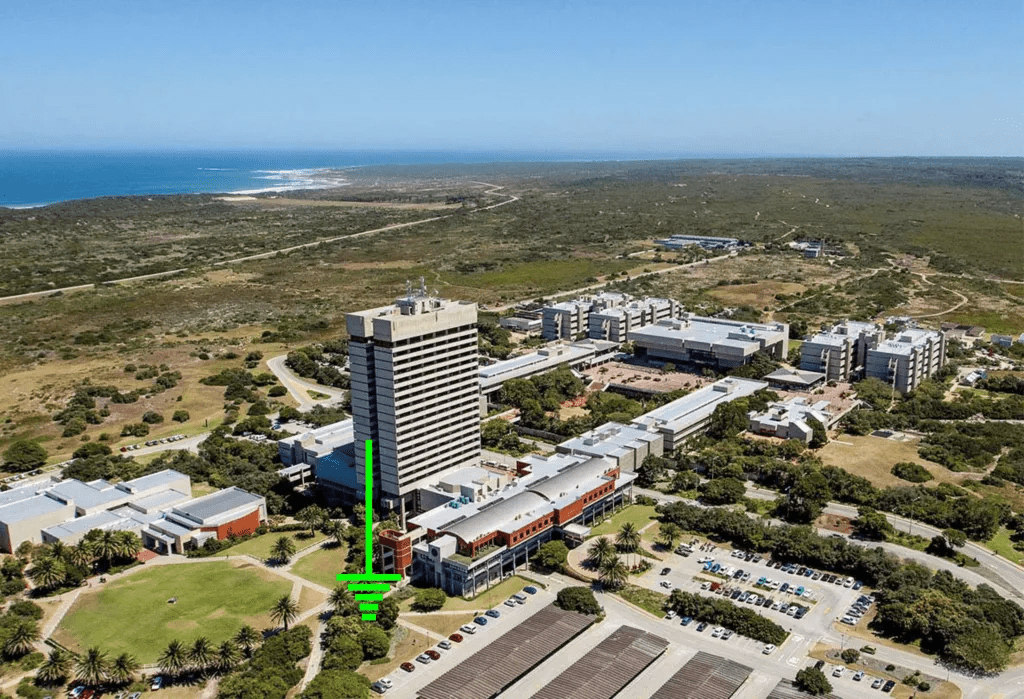
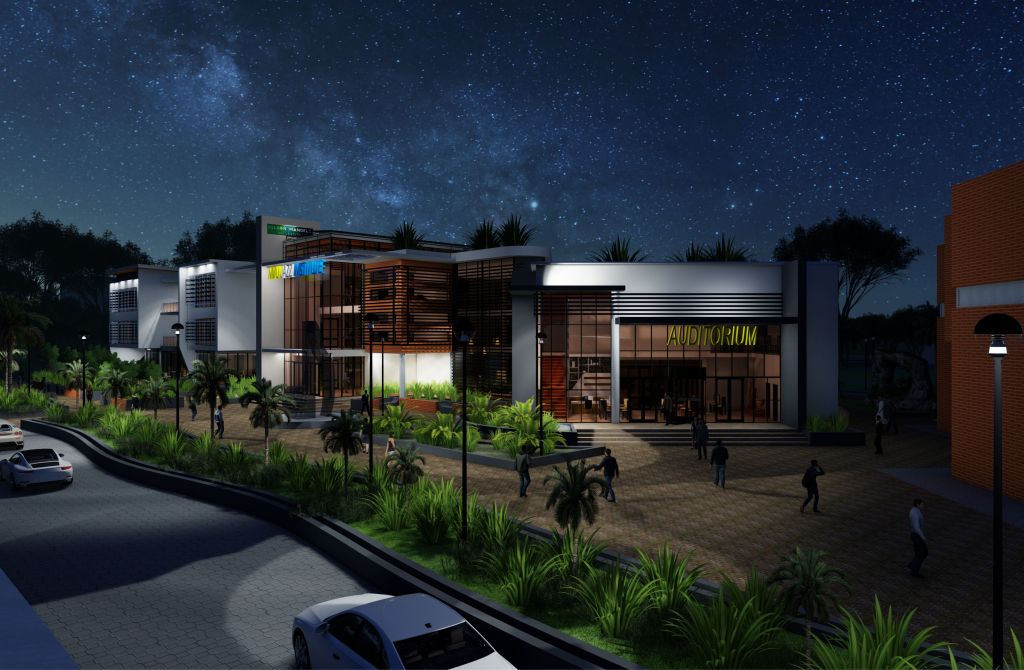
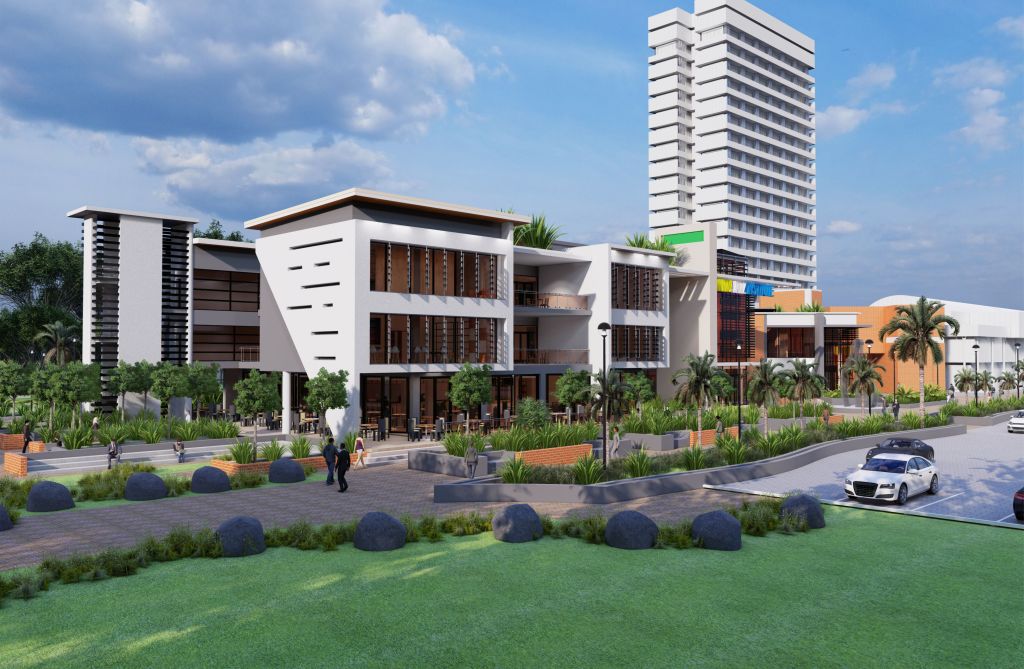
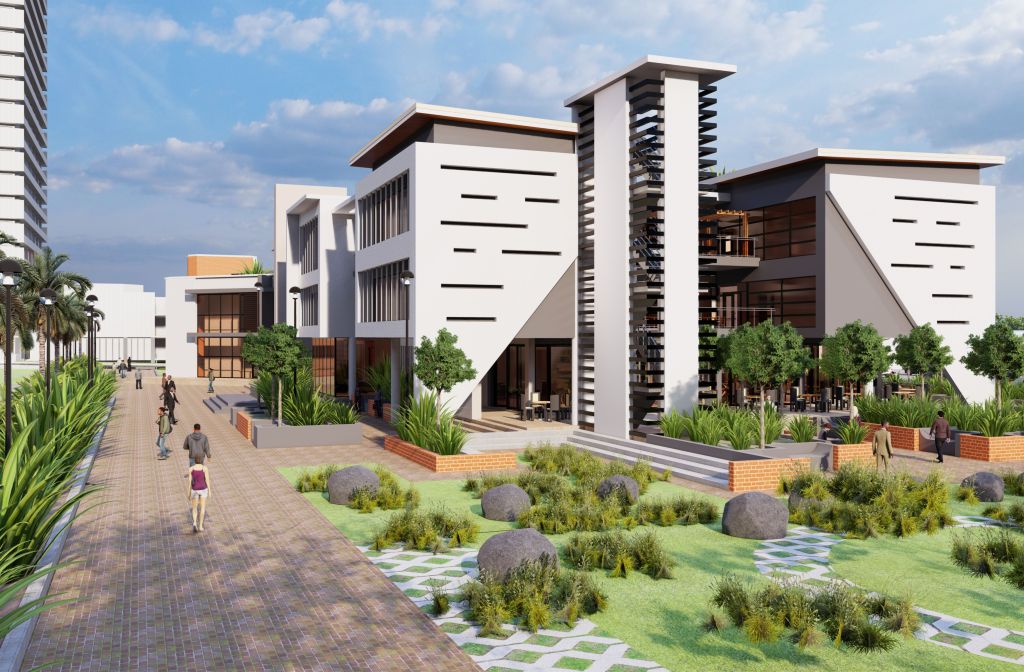
The proposed location for the project is Nelson Mandela University. The site is situated on flat terrain landscape, with small sand dunes towards the east. The site is facing north with clear view to the the north campus. The site is rectangular in shape following the existing linear pattern of the campus and the area allocated adequate enough for the proposed project to fit in.
THE SCOPE OF WORK
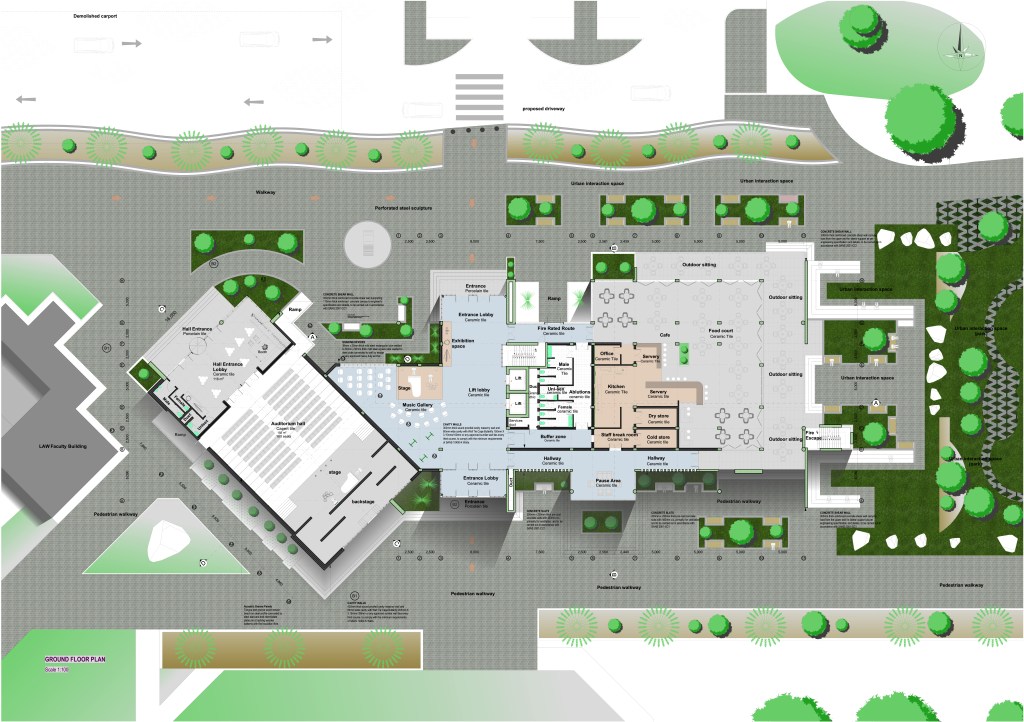
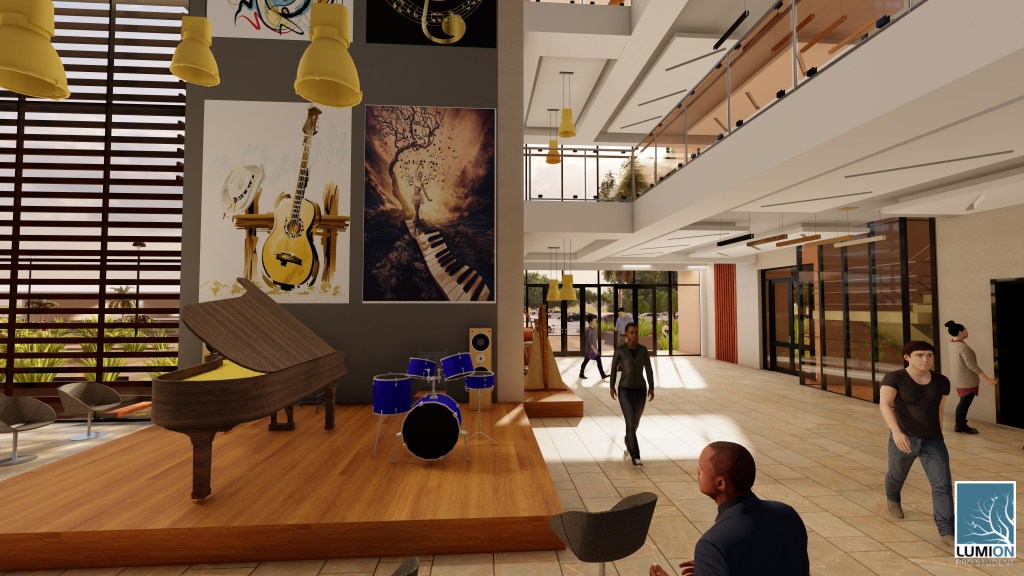
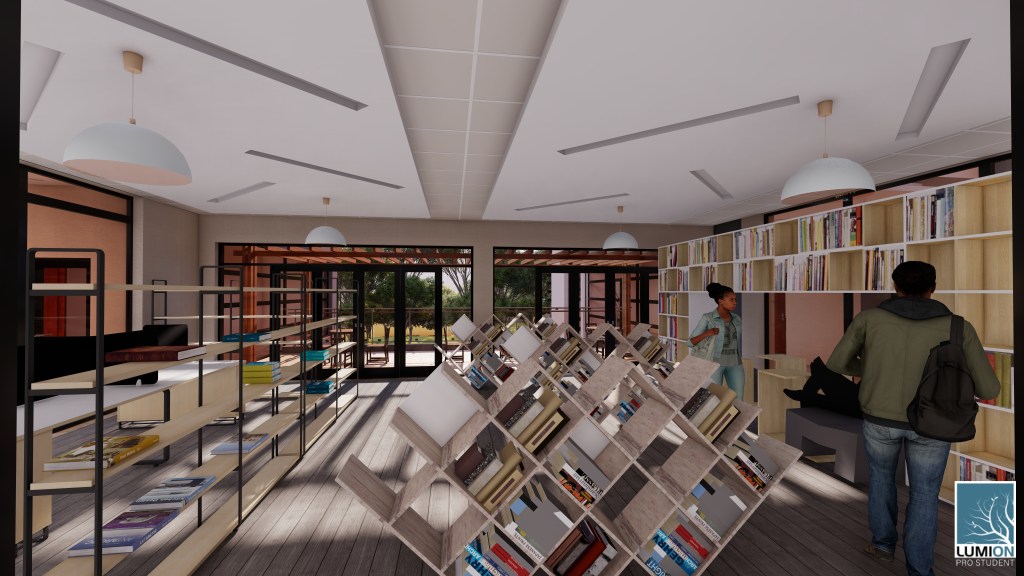
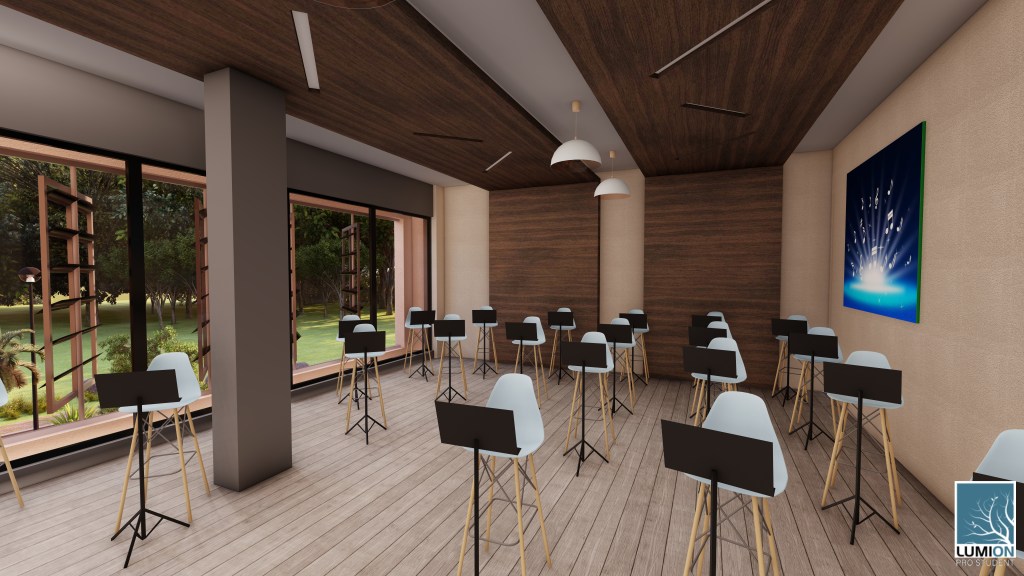
The institutional brief required us to design JAZZ MUSIC INSTITUTE. Therefore, from the design brief i had to draw up accommodation schedule which include instrumental classrooms, Musical library with listening carrels, practice rooms as well as piano rooms. There is also cafe area on the ground floor which self sustain with the supporting rooms like cold and dry store, staff changing area and office The auditorium with the capacity of 160 seated people on the ground floor and 64 seated people on the mezzanine/ Gallery floor.
SUSTAINABLE PRINCIPLES
ENERGY
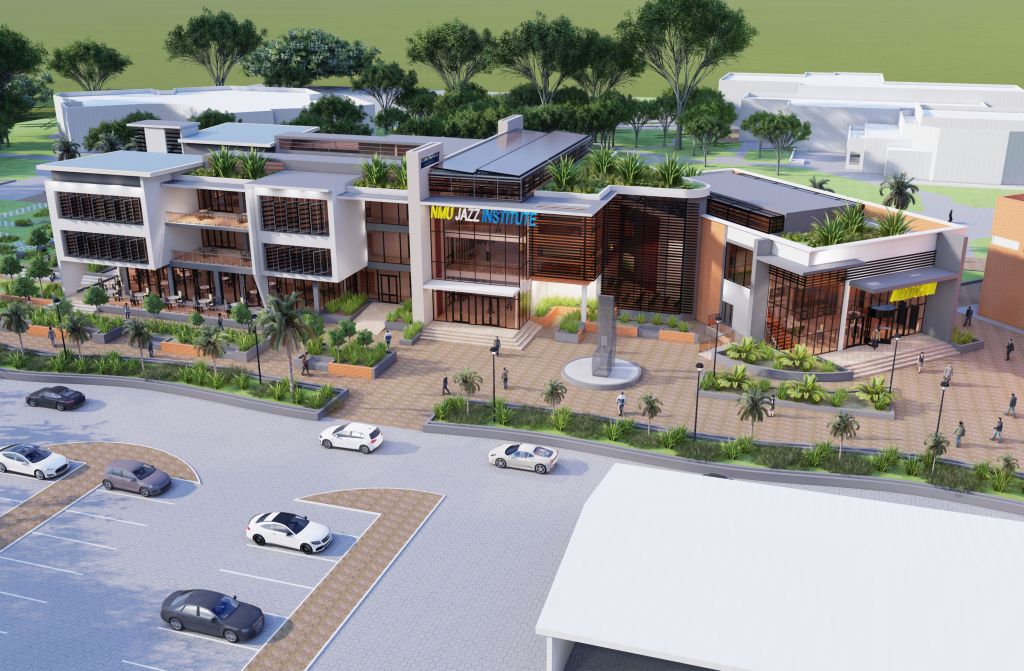
The development is set to generate its own power by photovoltaic solar panels located on the roof, which the excess will be transferred to the existing university power station to try and help the institution with more power.
RAIN WATER HARVESTING
Even though P.E does not have much of the rain, the plan is to harvest rain water, store and purify such for re-use.
NATURAL VENTILATION
Maximum Natural Ventilation is provided for with application of large Aluminum infill glazed panels and sky lights to provide lighting on the lobbies and hallways. The northern facades where there is a direct sunlight, Automated shading devices and shading devices have provided for.
 Tsepo
Tsepo 